 Creating Kin's Domain
 John Trew
Creating Kin's DomainAge: 40 years
Country: Ecuador
State/Province: Loja
City: Loja
About Me:
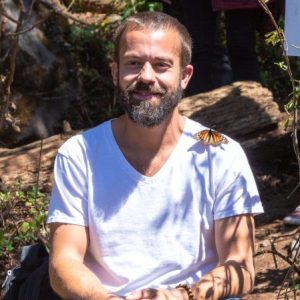
I'm JT—a writer, father, and community member at Finca Sagrada, a 250-hectare regenerative intentional community in Ecuador's Valley of Longevity.
My wife Lexi and I are raising our growing family here (soon to be three little ones), building an adobe home with our own hands, and learning what it actually means to root into place across generations.
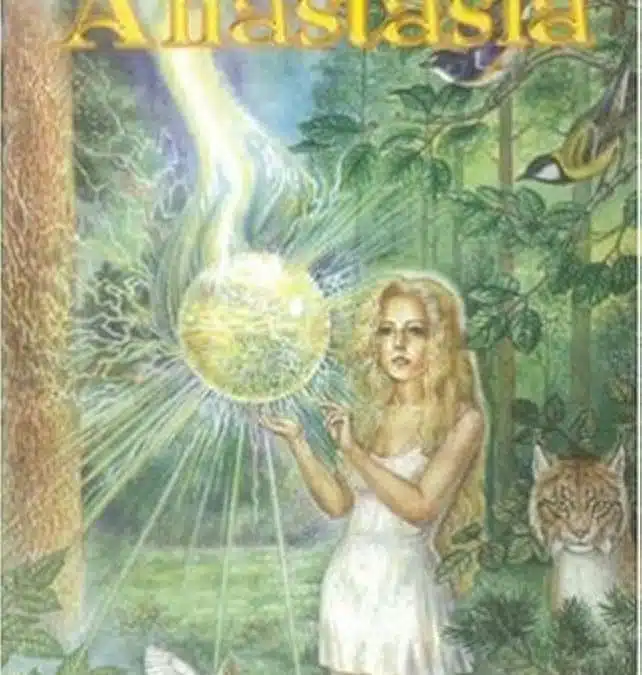
I came to the Ringing Cedars books recently, but the vision Anastasia describes has been pulling at me for years—I just didn't have language for it. The science of imagery, in particular, has transformed how I approach everything: writing, community building, fatherhood, the future we're creating.
At Finca Sagrada, I lead content development and support our Kuntur Wachana reforestation project, where we've planted over 20,000 native trees in partnership with a Swiss conservation nonprofit. It's work that feels aligned with what Anastasia describes—healing the land while the land heals us.
I write about consciousness, regenerative community, and the practical (often messy) work of building alternatives to the dominant culture on Substack. Currently exploring how legal structures and networked funding models might help kin's domain settlements actually take root in the West.
I'm here to learn, connect, and find others holding similar images. If you're dreaming of land-based community, navigating founder transitions, or just want to talk about what's possible—reach out.
Based in Vilcabamba, Ecuador.